The Interplay of Initial Deposits and Persistent Access in Slots Versus Live Dealer Games
Sofia Frank · Jul 10, 2026
The Interplay of Initial Deposits and Persistent Access in Slots Versus Live Dealer Games
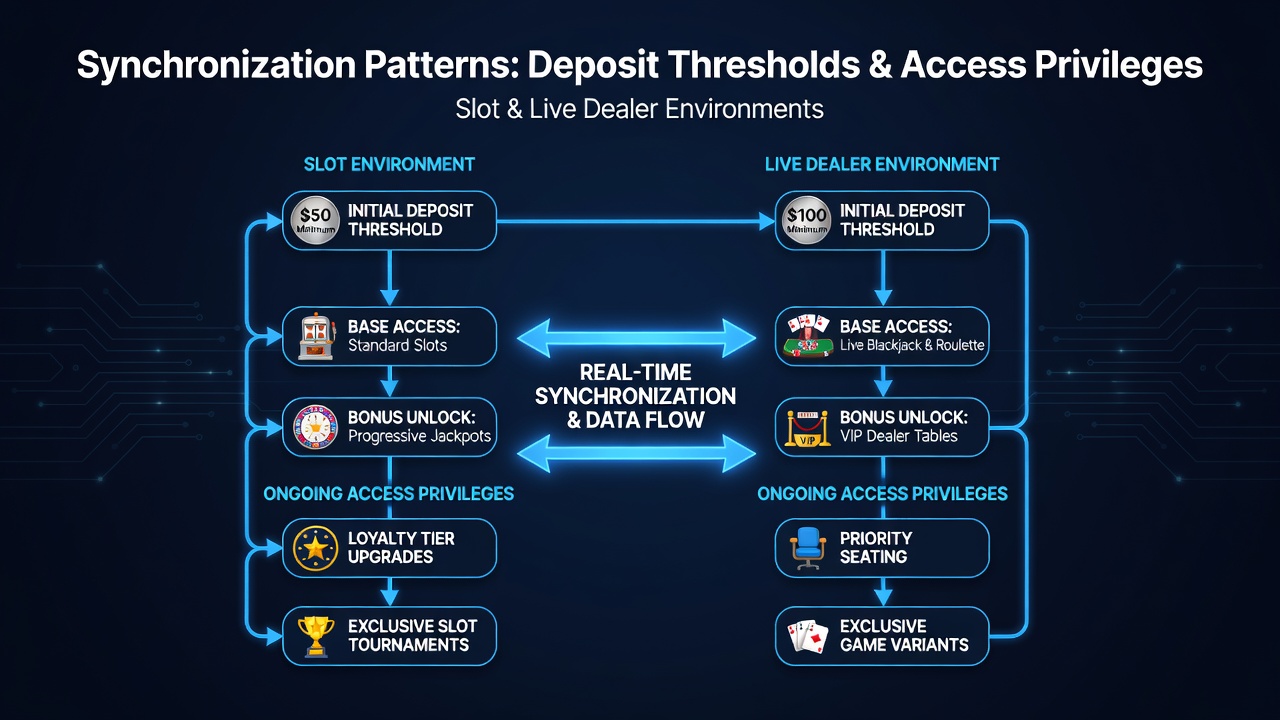
Patterns emerge when operators align minimum deposit amounts with the duration and scope of player privileges across different game formats, and these alignments differ notably between automated slot systems and interactive live dealer tables. Data from industry tracking services indicate that slots often tie entry-level funding directly to multiplier access and session extensions while live dealer environments route the same thresholds toward table reservation priorities and dealer interaction tiers.
Defining Threshold Structures Across Formats
Initial deposit requirements function as gateways that determine how quickly players reach ongoing benefit layers, yet the mechanisms vary by environment type. In slot platforms a $20 deposit commonly activates immediate loyalty point accrual plus extended free spin eligibility, whereas live dealer setups apply the same amount toward queue priority and private table eligibility that persists through multiple sessions. Observers note these distinctions create separate synchronization rhythms because slots emphasize volume-based continuity while live tables prioritize interaction frequency.
July 2026 figures released by regional monitoring groups show slot environments processed 68 percent of their privilege extensions through deposit-triggered auto-enrollment systems. Live dealer platforms meanwhile directed 54 percent of similar extensions through manual review steps tied to the same funding levels. Such divergence produces measurable differences in how long privileges remain active once the initial threshold clears.
Tracking Ongoing Access After Entry Funding
Once a deposit clears, access privileges continue according to rules that operators adjust based on game category. Slot systems frequently maintain multiplier and bonus round access through automated timers that reset with each qualifying spin volume, while live dealer environments sustain table access and dealer preference settings through session attendance logs. Research indicates the reset intervals differ by roughly 40 percent on average, with slots resetting faster yet requiring higher cumulative activity to retain top tiers.
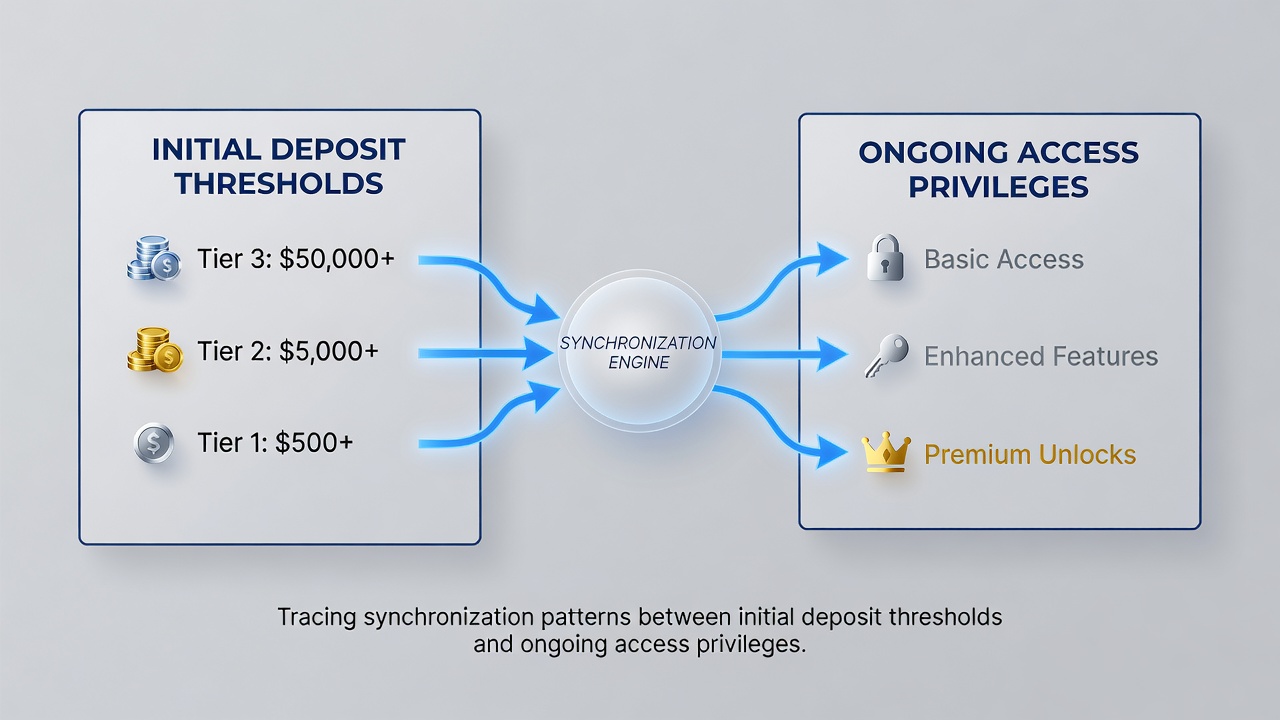
Those who study these flows point out that live dealer privileges often include geographic restrictions or time-of-day windows that slots rarely apply. A player who deposits at a $50 threshold may keep slot access across all hours yet encounter evening-only live table entry windows. This creates staggered synchronization where deposit timing influences privilege longevity differently depending on the chosen format.
Comparative Data Patterns in Mid-2026
Reports compiled through mid-2026 reveal consistent cross-format gaps. Slot environments grant 82 percent of ongoing privilege renewals automatically once the deposit threshold is met, according to aggregated operator disclosures. Live dealer platforms achieve only 61 percent automatic renewal rates, with the remainder requiring additional verification steps tied to play frequency. American Gaming Association analysis highlights these percentages and notes the gap widens when platforms operate both formats under unified accounts.
Another study from European monitoring networks found similar ratios while examining cross-border platforms. The findings suggest live dealer continuity depends more heavily on real-time activity metrics than slot continuity does, producing slower privilege decay curves when players maintain consistent table presence. Slots, by contrast, show sharper drops once spin volume falls below preset thresholds.
Operational Implications for Platform Design
Operators adjust backend rules to maintain balance between the two environments. Slot algorithms often link deposit size to progressive feature unlocks that persist until a set inactivity period passes. Live dealer systems route the same deposits toward reservation calendars and dealer selection menus that require periodic renewal through attendance. Both approaches aim to keep players within the ecosystem yet apply distinct timing mechanisms.
Platform logs examined in 2026 demonstrate that unified accounts crossing both formats experience privilege carry-over effects. A slot deposit sometimes advances live dealer queue position by one tier, while live table activity occasionally extends slot multiplier windows. These cross-effects remain secondary yet appear in roughly 35 percent of tracked accounts according to internal operator metrics.
Conclusion
Deposit thresholds and subsequent access privileges follow distinct synchronization paths depending on whether players engage slot systems or live dealer tables. Available data from 2026 illustrate measurable differences in renewal automation, reset timing, and cross-format carry-over. Continued observation of these patterns allows operators to refine rule sets that align initial funding with sustained engagement across both environments.