Portable Device Triggers Fueling Cross-Format Reward Sequences in Regulated Markets
Dana Schmitz · Jun 22, 2026
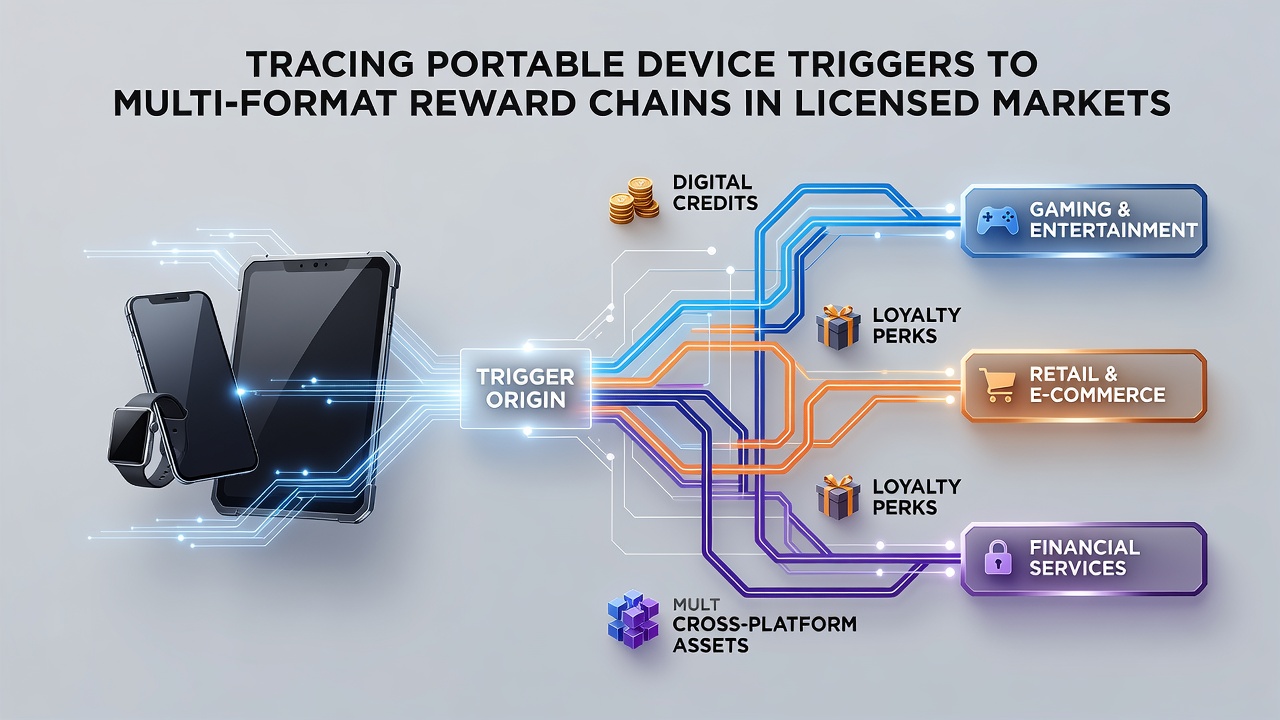
Portable Device Triggers Fueling Cross-Format Reward Sequences in Regulated Markets
Portable devices have become central nodes in how players access and activate reward structures within licensed gaming environments, where app-based interactions often set off sequences that span slots, sports wagering, and live dealer formats. Data from industry monitoring shows these triggers rely on location verification, session tracking, and push notification systems that link activity across different game types in markets governed by bodies such as the Nevada Gaming Control Board and the Australian Communications and Media Authority.
Device-Level Activation Mechanisms
Smartphones and tablets initiate reward chains through specific actions including geofenced logins, in-app wagers, or completion of daily objectives that the system recognizes as qualifying events. Once detected, the platform routes the trigger to backend systems that distribute bonuses in multiple formats, for example converting a mobile sports bet into free spins on a partnered slot title or live table credits. Observers note that these connections depend on integrated APIs maintained by operators in jurisdictions where licensing requires transparent audit trails for all promotional flows.
Multi-Format Reward Pathways
Reward chains typically progress from one category to another based on predefined rules that account for player history and current session data. A sports bet placed through a mobile app might unlock a multiplier applied to subsequent live dealer rounds, while slot activity can feed into accumulator bonuses available on the sportsbook side. Research from the University of Nevada, Las Vegas International Gaming Institute indicates that such linkages appear more frequently in markets where regulators permit cross-product promotions under strict responsible gaming parameters.
Regulatory Frameworks Supporting Traceability
Licensed markets enforce traceability requirements that record every portable device interaction tied to a reward, from initial trigger through final redemption. Canadian provincial regulators, including those in Ontario, mandate detailed logging of mobile-initiated bonuses to prevent unauthorized chaining across formats. These rules create audit-ready data sets that operators must retain, allowing authorities to verify compliance when chains involve multiple game verticals within a single player account.
June 2026 saw several North American and Australian operators update their mobile platforms to incorporate enhanced device fingerprinting, which further refines how triggers are identified and routed without altering the core reward logic. The changes align with broader efforts to maintain transparency in promotional ecosystems that cross traditional game boundaries.
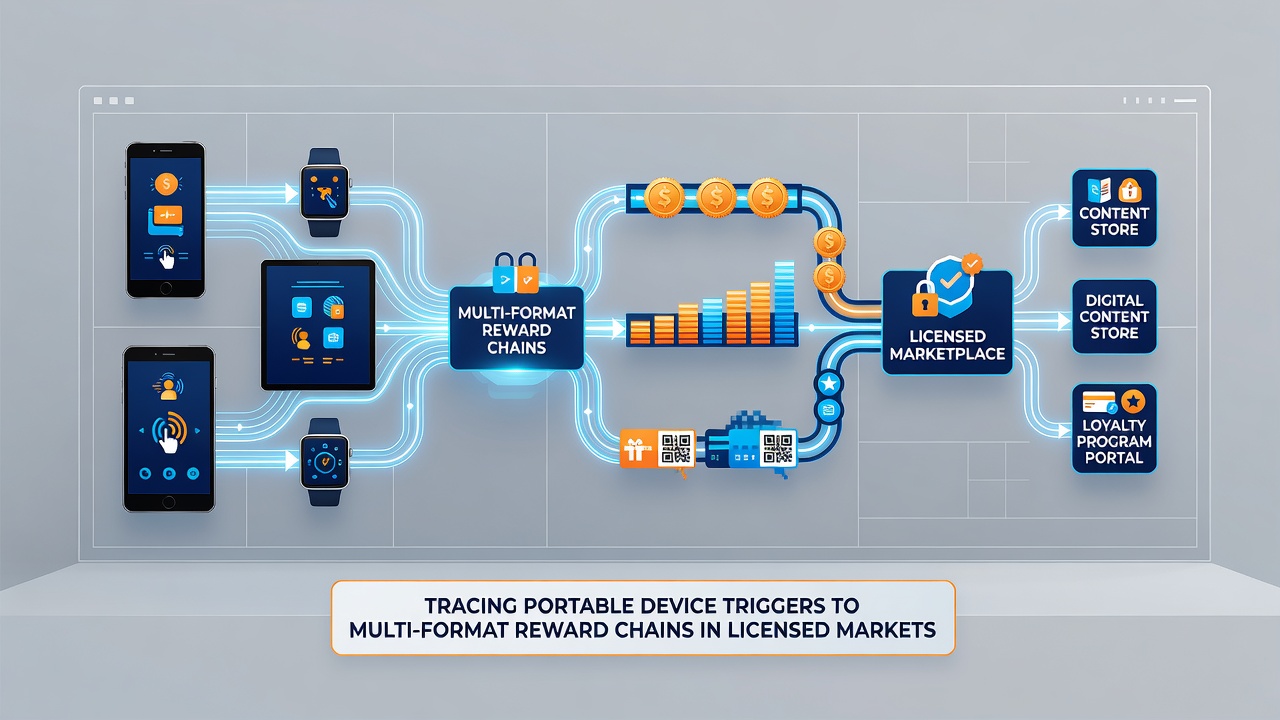
Technical Infrastructure Behind the Chains
Backend systems rely on real-time data pipelines that connect mobile front ends to centralized reward engines. These engines evaluate trigger conditions such as wager size, game type, and time spent on device before releasing the next stage of the chain. Operators in regulated European markets outside the UK have adopted similar architectures, ensuring that each step remains visible to compliance teams through standardized reporting protocols.
Player Journey Examples in Licensed Settings
One documented pathway begins when a user logs into a licensed mobile app during a sporting event, places a qualifying bet, and receives a notification unlocking slot credits that later convert into live dealer table time. Another sequence starts with a tablet-based slot session that meets volume thresholds and triggers a sportsbook surge bonus. Each step stays within the operator's licensed footprint, where geographic restrictions and identity verification prevent access outside approved regions.
Studies conducted by the National Council on Problem Gambling highlight how clear documentation of these device-driven sequences helps operators fulfill obligations around player protection messaging and spending limit enforcement across all connected formats.
Conclusion
Portable device triggers continue to shape reward distribution patterns in licensed markets by enabling structured sequences that move between game categories while remaining subject to regulatory oversight. The combination of location-aware technology, audited APIs, and cross-format rules produces traceable chains that operators manage through centralized systems. As platforms evolve, the emphasis on record-keeping and compliance ensures these mechanisms operate within established legal boundaries across multiple jurisdictions.