Behavioral Analytics Fueling Personalized Incentives in Cross-Platform Gaming
Zoe Bauer · Jul 13, 2026

Behavioral Analytics Fueling Personalized Incentives in Cross-Platform Gaming
Behavioral analytics track player actions across mobile apps, desktop clients, and console integrations to generate targeted rewards that match individual patterns, and this approach has expanded notably by July 2026 as operators integrate data from multiple sources simultaneously. Platforms collect metrics such as session duration, game selection sequences, and response rates to previous offers while players move between devices, which allows systems to adjust incentives without requiring separate logins or manual updates.
Data Collection Mechanisms Across Devices
Operators gather information through unified player accounts that link activity on smartphones during commutes with evening sessions on home computers, and these connections reveal preferences that single-platform tracking often misses. For instance, one study from the International Center for Gaming Regulation showed that users who switch devices mid-session respond 28 percent more favorably to time-sensitive bonuses when the offer accounts for prior play history on both formats. Systems apply machine learning models to flag patterns like frequent high-volatility game choices or evening deposit spikes, then trigger corresponding rewards such as matched play credits or extended feature access.
Real-time processing handles the volume of inputs from thousands of concurrent sessions, while aggregated datasets from different regions feed into the same algorithms to refine predictions. Canadian regulators have documented similar tracking methods in provincial lottery and gaming reports, noting that cross-device visibility improves retention figures when incentives align with observed behavior shifts rather than generic promotions.
Creating Tailored Rewards Through Pattern Recognition
Once analytics identify a player's typical engagement window and preferred game types, platforms generate offers that activate at optimal moments, such as bonus spins delivered after a sequence of losses on mobile followed by a desktop login. This method connects activity on one service to multipliers available on another, creating chains where a sports betting outcome influences subsequent slot rewards without user intervention. Observers note that such linkages rely on consent-based data sharing agreements that span operating systems and third-party providers.
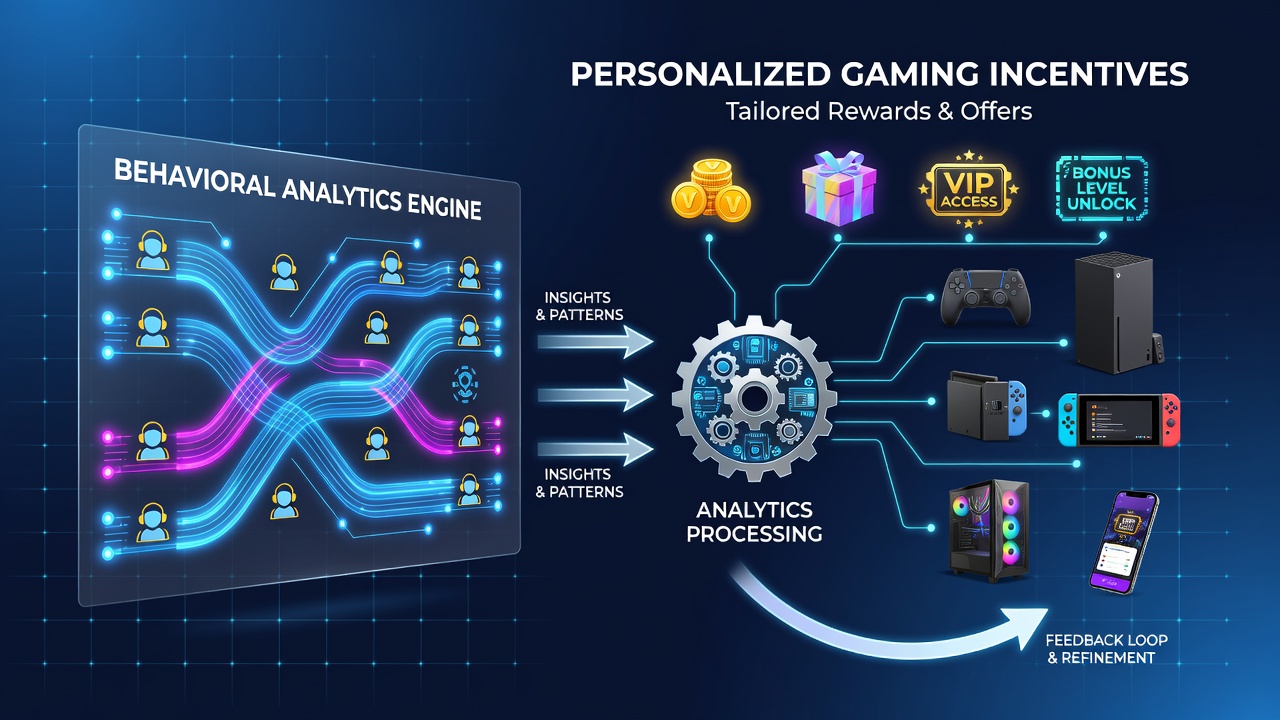
European research from the University of Malta's gaming studies department indicates that personalization driven by behavioral signals can increase average session length by 15 to 22 percent when offers adapt across live dealer tables, virtual sports, and traditional slots within the same ecosystem. Algorithms prioritize certain triggers, including deposit frequency combined with game completion rates, to decide whether a player receives cashback on one platform or free rounds on another. These decisions update continuously as new data arrives, keeping the incentive relevant to current habits rather than static profiles.
Implementation Trends Observed in Mid-2026
By July 2026 multiple operators had deployed unified dashboards that display incentive suggestions drawn from behavior across consoles, browsers, and apps, and these tools allow adjustments based on regional regulations without altering core logic. Data from the Nevada Gaming Control Board highlights rising adoption of similar analytics in U.S. markets, where operators link land-based loyalty cards to online accounts to extend personalized offers beyond physical venues. The process involves segmenting users into cohorts defined by shared patterns, then testing reward variants to measure uptake before broader rollout.
What's interesting is how seasonal events and external factors, such as major sports tournaments, feed into the models to create temporary incentive layers that activate only when players exhibit matching engagement spikes. This keeps rewards timely and contextually appropriate while maintaining compliance with varying jurisdictional rules on promotional content.
Conclusion
Behavioral analytics continue to shape incentive design by connecting activity signals across platforms into coherent reward pathways, and the approach yields measurable improvements in engagement metrics according to multiple regulatory and academic sources. As data integration deepens through 2026, operators refine these systems further to balance personalization with privacy requirements drawn from diverse global standards.