Analyzing Progressive Task Systems That Enable Cross-Platform Bonus Networks in Online Gaming
Zoe Bauer · Aug 21, 2026
Analyzing Progressive Task Systems That Enable Cross-Platform Bonus Networks in Online Gaming
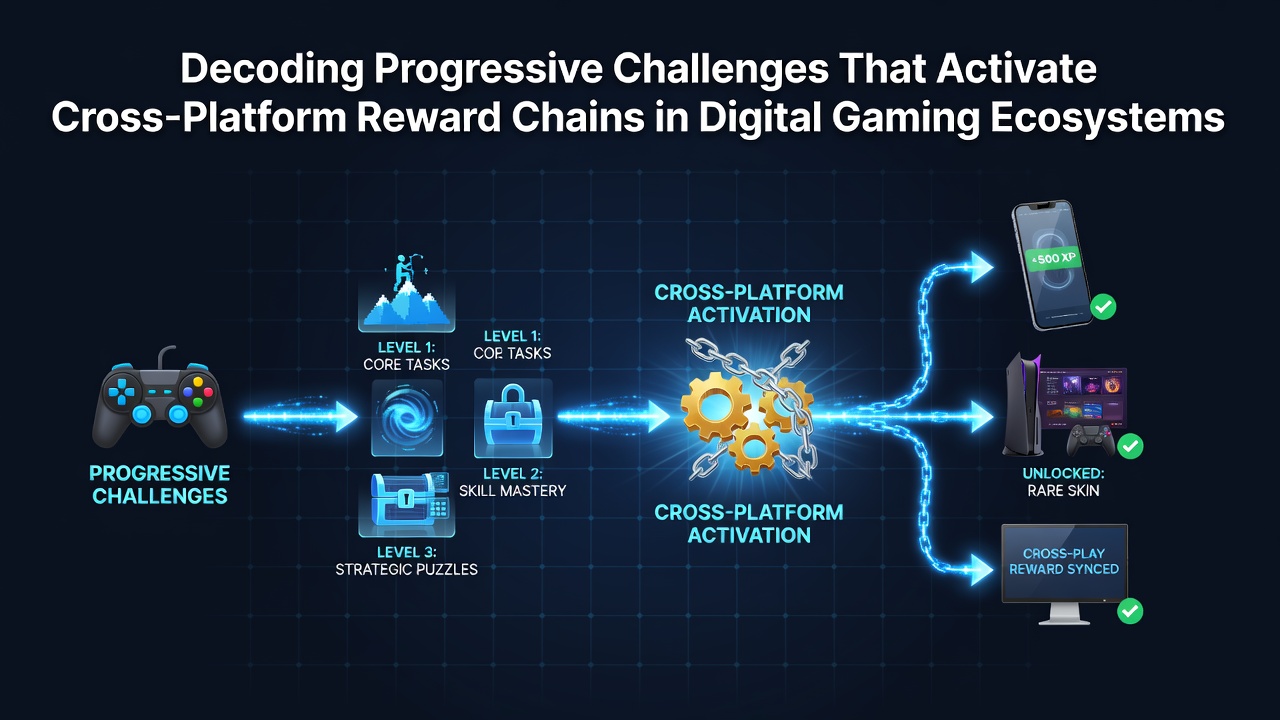
Digital gaming platforms have developed intricate systems where progressive challenges trigger reward chains that span multiple game types and user interfaces, and these mechanics rely on data tracking that monitors player actions across sessions. Observers note that completing a series of tasks in one section often unlocks multipliers or credits in another area, creating pathways that encourage sustained participation while operators manage risk through algorithmic adjustments.
Data from industry reports indicates that such chains typically begin with entry-level activities like achieving specific spin counts or wager thresholds, and these steps feed into broader networks where rewards migrate between slot machines, table games, and betting markets. Researchers have documented how backend systems log these progressions in real time, allowing seamless transfers that appear automatic to users yet depend on predefined rulesets established during platform development.
Core Components of Challenge Activation
Progressive challenges operate through layered objectives that build upon one another, and each layer incorporates metrics such as time spent, volume wagered, or frequency of specific actions. Studies from academic gaming research groups show that operators design these layers to activate only after prior milestones are met, which prevents premature reward distribution and maintains balance across the ecosystem. For instance, a player who finishes a daily login streak might receive a token that converts into bonus credits usable in live dealer environments or sports accumulators.
Cross-platform linkage depends on unified player accounts that aggregate data from web, mobile, and desktop access points, while integration protocols ensure that achievements in one vertical update profiles visible in others. Figures from regulatory filings reveal that these connections often involve application programming interfaces managed by third-party providers, and August 2026 saw several platforms update their compliance documentation to reflect enhanced tracking standards introduced by oversight bodies in multiple jurisdictions.
Technical Pathways and Data Flows
Reward chains function via conditional triggers embedded in the software architecture, and when a challenge completes, the system evaluates eligibility before propagating the outcome. Analysts at institutions like the American Gaming Association have examined how these evaluations incorporate variables such as player history and current session data to determine reward value. This process allows for dynamic scaling where high-activity users receive proportionally larger benefits that then carry over into adjacent game categories.
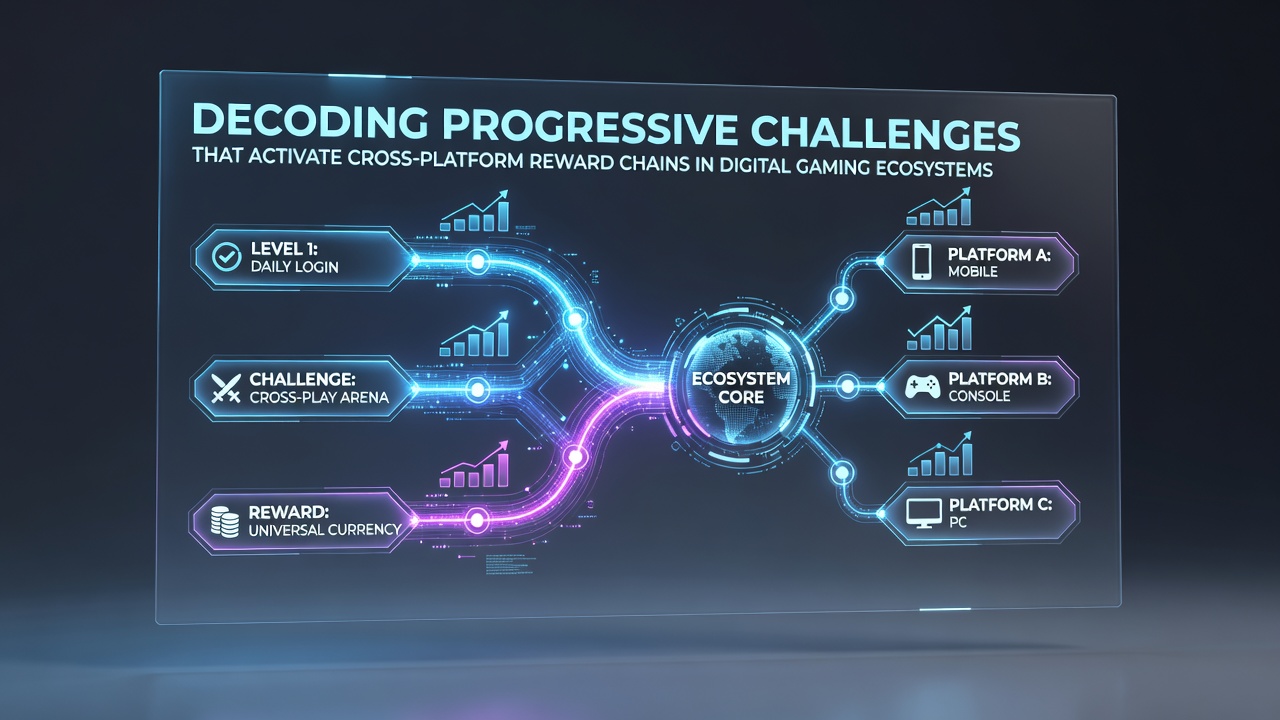
One documented pattern involves initial challenges in video slot environments leading to credits that activate during sports wagering events, and this linkage relies on timestamp synchronization to prevent overlaps or conflicts. Evidence from platform audits demonstrates that operators employ machine learning models to predict chain completion rates, enabling proactive adjustments that stabilize payout ratios over extended periods. Those who study these systems note that geographic variations influence design, with certain regions requiring explicit disclosure of all possible reward migrations before activation.
Implementation Examples Across Ecosystems
Take the case of a European operator that introduced challenge sequences tying weekly deposit goals to multiplier bonuses in live casino sections, and subsequent data showed increased cross-traffic between verticals without corresponding spikes in dispute rates. Similar structures appear in North American markets where sports betting challenges unlock slot free rounds, while Australian platforms have tested chains that connect table game achievements directly to racing bet credits. Research indicates these implementations share common technical foundations yet adapt to local regulatory frameworks that govern bonus transparency and player fund segregation.
Additional layers often include social or community elements where group challenges contribute to individual progress bars, and completion then distributes shared rewards across personal accounts. Observers point out that such features emerged more prominently after infrastructure upgrades completed in mid-2026, which improved server capacity for handling simultaneous multi-platform queries.
Conclusion
Progressive challenges that activate cross-platform reward chains represent a structured approach to player engagement within digital gaming, and their operation hinges on precise data integration and rule enforcement. Reports compiled by research entities continue to track how these systems evolve in response to technological advances and oversight requirements, providing measurable insights into participation patterns across diverse markets. As platforms refine their implementations, the core mechanics remain centered on sequential task completion and seamless reward migration between game types.